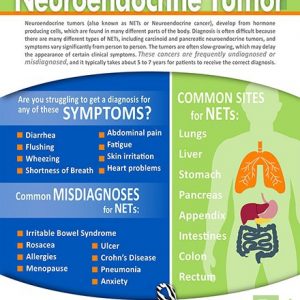


What is carcinoid cancer and what will happen to someone found to have carcinoid during surgery for something else?
Carcinoid is a slow growing cancer. If it is all removed a person can be cured. However, there is always the risk of undetected microscopic cells remaining. These cells may show up after a number of years and would require chemotherapy or they could gradually kill a patient. The patient should be on periodic surveillance for at least 10 years. I recommend that you read the more comprehensive "Review of Carcinoid Disease" for a more in depth answer to this questions.
What is the Most Common site of Carcinoid in Human body?
what is the most common site of malignant carcinoid in body?
What is the most common site of carcinoid in gut?
what is the most common site of malignant carcinoid in gut?
..........these answers are differenently given in Harrisson & Bailey Love......so please help me. The answers below stem from the review of over 13,000.00 carcinoid cases covering five decades published in 2003, authored by Irvin Modlin and collegues What is the Most Common site of Carcinoid in Human body? ------- primary site is small intestine
what is the most common site of malignant carcinoid in body?--------- primary site is small intestine
What is the most common site of carcinoid in gut? --------primary site is terminal ileum
what is the most common site of malignant carcinoid in gut?--------primary site is terminal ileum
Also, the most common sites of regional spread for all carcinoids are lymph nodes and the most common site for distant spread for all carcinoids is the liver.
Reference: See Dr. Modlins article http://www.carcinoid.org/medpro/index.shtml#stats
How long does it take for a carcinoid tumor to grow to the size of 2 cm?
In general, it can take 3-5 years and even up to 10 or longer for carcinoid tumors to grow. These are generally very slow-growing tumors.
What relationship does the serotonin level have in the regulation of carcinoid tumors? :lf so, what does the OctreoScan test show?
Serotonin is a chemical proFcoduct produced by some carcinoids in various amounts. It does not regulate the tumors. When in large amounts, it causes symptoms but in any amount, it is a useful marker for the presence of each tumor. 5HTP is the chemical precursor (for the substance) from which serotonin is made and is also a useful marker sometimes. The OctreoScan is a test which images 85% of carcinoid tumors but is not the best way to show their growth. It does indicate the potential usefulness of Sandostatin (octreotide) treatment when a tumor lights up on the OctreoScan.
Is the 5-HIAA test and the serotonin test conclusive for detecting a carcinoid tumor?
It is not 100% certain. In fact, the urine 5HIAA test will miss 50% of cases. Therefore other tests are usually done in conjunction with this tests. Among the most common test done for diagnostic purposes are; blood serotonin and blood chromogranin A. Other tests such as substance P, VIP may also be done.
I was diagnosed with carcinoid of the appendix four years ago after a routine appendectomy. A year later I had a right hemicolectomy with 18 inches of the intestine and 32 lymph nodes removed. All the pathology was negative. I had an Octreoscan a year ago and am scheduled for another on this year. How long does the octreotide/radio-isotope remain in the body? Is there a problem with attempting to conceive soon after the OctreoScan?
Every last trace of octreotide and the isotope Indium 111 used in the OctreoScan are gone from the body within 1 week. There is no effect on conception thereafter.
Can menopause bring on carcinoid or endocrine tumors? Is there some relationship between the hormones of menopause and the hormones coming from tumors?: And if so, would diet for menopause help the tumors shrink in any way?
NO to both questions.
What is Neurokinin B and its relationship to Carcinoid/Syndrome ?
Neurokinin B is a nonspecific peptide hormonal substance sometimes co-secreted into the blood along with one of the other carcinoid products such as serotonin, chromogranin A, substance P and pancreatic polypeptide.
Do all carcinoids start out as microcarcionids?
Yes.
How is a microcarcinoid different than a carcinoid tumor?
It is microscopic in size and then grows.
If a microcarcinoid is found, are there likely to be others?
Yes, particularly when found in the stomach and lung.
Is there any indication that perhaps mercury contamination might have something to do with Carcinoid ( this is prompted by another incident in a school where someone spilled it and they shut the school down for de-contamination)? When I was a kid we used to play with the stuff - coated money with it to make it real shiny and stuff like that. We carried it around in our bare hands so I certainly was exposed to it with no noticable ill effects back then - now, 50 years later I am wondering about that............. ?
No
What is Goblet Cell Carcinoid ( adenocarcinoid, mucinous carcinoid)? I have been diagnosed with this type of cancer and have scoured the internet in hopes of finding out more info. Very little is available. Please direct me to literature about this particular and rare diagnosis.
The term Goblet Cell Carcinoid or adenocarcinoid, mucinous carcinoid is applied to two types of carcinoid. Both carcinoid are quite different from the ordinary carcinoid. Unfortunately, adenocarcinoid is a more aggressive tumor and carries a poor prognosis. One type arises in the ovary (reference: Primary Ovarian Carcinoid Tumors, K.P. Davis et. a:l., Gyn.Oncol 61; 259-265, 1996) and the second type is also referred to as collision tumor in the intestine and is more often called adenocarcinoid. You can find references to it (do a PubMed search from our website) if you search for collision tumor. Because of the poor prognosis of these types of tumors, the pathologic interpretation of the tumor biopsy should be confirmed by an EXPERT second opinion.
Symptoms and Manifestations
My father recently had surgery for carcinoid tumors that have invaded his intestines and had two and one half feet of his intestines removed. The surgeon said he would be feeling better when he recovered from surgery, but two months later he still feels bad. My questions really concern the tremendous amount of fluid that has built up in his abdomen, back and stomach area. When they took a sample of the fluid they said it had to do with the lymphatic system, but were scratching their heads as to what was causing the buildup (lasix does not help). Have you heard of such a fluid buildup (he looks like a barrel around his middle), and is it caused by the carcinoid tumors?
It sounds like you are describing ascites, the accumulation of fluid in the abdominal cavity. This is not exclusive for carcinoid disease but can occur in many conditions such as cirrhosis of the liver, heart failure, any widespread intra-abdominal cancers or various conditions compressing and blocking the lymph channels and/or large veins in the back of the abdominal cavity, as well as certain infections of the peritoneum (the lining of the abdominal cavity). The treatment and significance in each instance is different?
Has any treatment been effective in reducing severe edema associated with a carcinoid of the liver?: Also, is there any risk associated with not initiating treatment of a liver carcinoid while attempting to control or eliminate the edema?
There are many possible causes of edema in association with carcinoid involving the liver. For example; low serum albumin due to carcinoid impairing the livers synthetic function, impaired liver function due to chemotherapy, interference with circulation to or from the liver by pressure of carcinoid tumor on the blood vessels or from clotting of blood in the vessels due to substances released by the tumors, congestive failure of the right side of the heart due to carcinoid heart valve disease, pellagra due to tryptophan deficiency resulting from the tumors abnormal utilization of tryptophan, malabsorption due to hormone induced small intestine pathophysiology, peritoneal spread of carcinoid tumor, retroperitoneal spread of carcinoid tumor with lymphatic obstruction, and a number of other possible causes. The treatment in each instance is somewhat different and hence must be customized for each case. The edema is not a separate disease but part of the entire carcinoid disease spectrum.
Is it possible that the hormones or chemicals that may be released by a Carcinoid stimulate the thyroid gland to produce more T3 and T4 the same way TSH does Question: Could these hormones also stimulate the adrenal gland to produce more epinephrine and norepinephrine?
Serotonin and the other usual products of carcinoids do not stimulate the thyroid or the adrenal glands. However, on rare occasions a carcinoid can co-produce other hormonal substances I addition to Serotonin and chromogranin A. These could be TSH or catecholes like epinephrine or norephinephrine. Also in rare cases a carcinoid develops in an individual with the MEN I syndrome who also has one or more other endocrine tumors which could produce TSH, epinephrine or a number of other active hormones.
My mother had an enlargement of her thyroid that was being monitored for over 8 years. She recently had a thyroidectomy and was put on synthetic thyroxine. Prognosis was positive, but medication would be lifelong. The past month has been difficult; she has experienced dizziness, flushing, nausea, which has rapidly led to bowel movements. After numerous visits to the GP, she has had CT and Xray results showing an 8 cm mass in the upper chest cavity. They will biopsy, look for 5HIAA, along with typical thyroid profile lab tests. Is this indicative of an atypical lung or bronchial carcinoid syndrome? Would other tests such as bradykinin, substance P, ANH or chromogranin A help in the diagnosis/prognosis?
We would like to help you, but regulations do not allow me to answer case specific questions via the Internet. The statement on our website states we can answer general questions. I can state that the main features of carcinoid syndrome are flushing, diarrhea and a carcinoid tumor somewhere in the body which usually has spread to the liver and produces serotonin, chromogranin A and other substances and usually results in excretion in the urine of increased amounts of 5-HIAA, the breakdown product of serotonin. The designation atypical when applied to carcinoid tumor refer to its microscopic appearance, not its clinical behavior.
I'm just recently diagnosed (October 3, 2000) with carcinoid... .not necessarily the syndrome. I'm puzzled by the words diarrhea and flushing. When someone says diarrhea in relationship to carcinoid is that "soft bowels or runny liquid bowels". As a 52 year old women, I wonder if this is a "hot flash or flushing?
Diarrhea is defined as an increase in volume and /or frequency of stools. The consistency need not be loose, though it often is. Diarrhea has nothing to do with carcinoid flush which means experiencing a usually abrupt feeling of heat in the face which turns red in appearance. Sometimes the episode are confused with hot flashes of menopause which unlike carcinoid flush often are accompanied by hot or cold sweat.
Diagnosis and Surveillance
I have had symptoms similar to those described for carcinoid syndrome for over 5 1/2 years. Can you describe what hormones carcinoid tumors may secrete to cause these symptoms. How are they measured . What tests are needed to confirm the diagnosis of carcinoid or whatever it can be?
In general it can be stated that practically all carcinoid syndrome cases exhibit some increase in at least one of the many endocrine chemical products elaborated by the tumor and producing the syndrome These include not only blood serotonin and urine 5HIAA but also, chromogranin A, Neuron Specific Enolase, Pancreatic Poly Peptide, Calcitonin, Substance P, Neurokinin A:, Prostaglandin A:,E and D, Histamine and Pancreastatin.
Furthermore there are a number of look alike syndromes such as Zollinger Ellisons, Vipoma and Mast Cell Disease which can mimic carcinoid and be suspected by respectively measuring Gastrin, VIP, Histamine and Tryptase. Medullary Thyroid Carcinoma can cause a carcinoid-like syndrome and usually produce Calcitonin, CEA and at least one of the prostaglandins. Certain pituitary tumors make prolactin and can be associated with carcinoid like features. Prolactin is useful in this diagnosis.
Octreoscan is the imaging technique of choice in addition to CT scan and MRI.In appropriate cases, Neotect Scan, FDG PET scan or F18 Dopa PET Scan and MIBG Scan in expert hands are useful. Measurement of urine and blood catecholamine could unmark a Pheochromocytoma which causes flushing , fluctuating blood pressure and even diarrhea.
Determining Typical or Atypical carcinoid?
With reference to TYPICAL carcinoid, what is the procedure / test to determine if a tumor is typical or atypical? Thanks,
Dr. Eugene Woltering, Eugene answers:" well---- The procedure that I use is to
1. Look at the path report and look for key words like mitotic indices necrosis and the key word differentiation
2. Get a ki -67 and clearly the lower this number the better numbers over 20% ( some say 10%) are atypical indicators
3. Get stain on tumor for CGA and synaptophysin and ask the path guy/gal to actually count the % of cells that are poitive /negative"
Once we have been diagnosed with carcinoid, what should the follow-up surveillance program include ? In other words What should be tested for and how often?
Chemical markers are important to measure and follow since they change before imaging tests do and before physical conditions (symptoms) does. They are useful early indicators of the tumor status.
The tempo of the disease varies from one patient to the next and hence the frequency the tests should be done may vary from yearly to every 3 months. The average is twice a year. Chromogranin A(CgA) is the most stable and dependable marker on 90% of cases. In many cases it can be supplemented by other markers which should have been tested originally and those found abnormal can also be followed subsequently.
In carcinoid, we initially include: Urine 5HIAA, Blood serotonin, Neuron Specific Enolase, Pancreastatin, Substance P, Pancreatic Polypeptide and Atrial Naturetic Hormone(ANH)(fasting). The later ( ANH) helps indicate development of carcinoid heart disease in patients with functioning tumors.In other neuroendocrine tumors, depending on type we measure Gastrin, VIP, Calcitonin, CEA:, Insulin, Glucagon, Alpha/Beta subunits of HCG and ACTH. In all cases we check CgA which is most often positive in most tumors regardless of presence or absence of any specific endocrine function.
Appropriate imaging tests such as CT-scan with contrast, MRI with contrast and OctreoScan are also included in monitoring with frequency customized for each case.
Included in the initial work up is also tumor-stain for Chromogranin A and Ki-67
For more information on Diagnostic and Surveillance protocol CLICK HERE
I have been experiencing inexplicable anaphylactic episodes which were thought to be some food allergy. The attack begins with severe flushing, upper body, face, eyes, etc. This is accompanied by enormous heat in the affected areas, such that the areas feel like sharp needles are piercing them. Sudden stomach pain and diarrhea accompany the flush. The attacks have been treated in the ER with epinephrine, benedryl, solumedrol IV. The flushing is followed by sudden low blood pressure, cyanosis, and anaphylaxis.
The first two episodes ended in anaphylaxis, since then I have been put on Allegra and the third episode did not progress to anaphylaxis. However, the flushing and diarrhea were sudden and equally sever. Can you tell me if this sounds like Carcinoid Syndrome? I have never had allergy attacks before. A colonoscopy revealed no carcinoids. I am having a 24-hr. urine collection. The first such test was negative for HIAA, but there was a question about its validity. A:re there any other tests that should be done. The episodes have occurred about six weeks apart. None of the many Rast tests or scratch tests have shown any allergy.
I can provide some general suggestions that should be useful, as regulations restrict me from answering specific questions. Carcinoid crisis is characterized by abrupt flushing of face and sometimes upper body, usually severe fall in blood pressure and even bronchospasm with wheezing can (infrequently) occur. The attack may look like an anaphylactic attack. Diarrhea is an important part of carcinoid syndrome but is not usually simultaneous with the carcinoid crisis. It more commonly occurs as part of the anaphylactic reaction or an allergic or pseudoallergic reaction.
Standard allergy tests are not usually positive in such cases. 24 hour urine histamine, blood histamine and blood tryptase tests, particularly if obtained at the time of attack or just afterwards will establish diagnosis of allergic or pseudo allergic so called idiopathic anaphylactic attacks and mast cell disease. Epinephrine will provoke - not help - carcinoid attacks. Urine 5HIAA is helpful when positive but if depended on as the sole chemical test for carcinoid syndrome will miss 50% of cases! Better also to measure blood serotonin, tryptophan and chromogranin A.
Other blood markers associated with rare cases of severe attacks of flushing, diarrhea and fall in blood pressure are VIP, calcitonin and gastrin. They too should be measured. If any of all of the above are positive - as I expect may occur - further elaborate tests and treatment will be needed with details depending on which test(s) are positive. You should consult an expert for this if and when you arrive at this stage.
I have a patient with severe asthma and facial flushing and an elevated serum 5-HIAA. He has no endobronchial lesion and has a normal chest CT. Can this be carcinoid syndrome?
It can be carcinoid syndrome. How high is the 5-HIAA and was the urine collected on a serotonin-free diet Question: If it was more than just slightly elevated, then confirm its significance by testing blood serotonin, which should be increased, blood tryptophan, which should be decreased, and chromogranin, A which should be increased. If one or two of these are clearly abnormal, you should check the liver for metastatic tumor - by CT-scan with contrast or MRI. If negative, do an Octreoscan to search for tumor foci not seen by the other imaging techniques.
Which symptoms need to be present to diagnose carcinoid syndrome?
Carcinoid syndrome requires one or more of the following for laboratory confirmation of the diagnosis: increased blood serotonin with decreased blood tryptophan, increased chromogranin A and increased urine 5HIAA or indole-3-acetic acid . In spite of the symptoms, if these criteria are not present, carcinoid syndrome is not the diagnosis.
What is an Octreoscan?
An OctreoScan is fairly straightforward. While it cannot give an indication as to tumor size, it can indicate the extent of disease metastasis and show possible loci for tumors which may or may not have been suspected. Essentially what happens is this: about 4 to 24 hours prior to scanning, a Nuclear tag (about 6 milliCuries) piggybacked onto a somatostatin analog (like Sandostatin) is injected.
This tag is then taken up by any tissue exhibiting a type two receptor. Usually you find type two receptors in Carcinoid cancers, Lynphomas, some breast cancers and so on. The body of the person is then scanned at 24, 48 and possibly 72 hours or whenever the Oncologist and Radiologist deem it beneficial. The tag being tumor-specific will cause any tissue with the requisite receptors to light up on the scan film. The test is sort of go or no-go.
Most carcinoid tumors have the receptors and light up the film; about 2 percent of tumors do not have the receptors and thus do not show up. If the patient is on a somatastatin medication such as Sandostatin, the receptors will be blocked and the tumors will not show up. Sandostatin has to be stopped about 3 days prior to scanning for an accurate test to be performed.
What other conditions are similar to carcinoid?
Pheochromocytoma, Mast Cell Disease, Gastrointestinal Allergies, Vipoma, Medullary Carcinoma of the Thyroid, certain rare brain tumors and also certain rare neuropsychiatric disorders, to mention a few.
What do I say to get my doctor to run the 5HIAA test I have been diagnosed with Carcinoid cancer. I have had only scans, blood tests, chemo, x-rays. I have gone downhill in the last 6 months, with much abdominal pain.
Simply tell your doctor you have read of the urine 5HIAA as a measure of carcinoid tumor function and you want it done.
Can you provide some suggestions about the preferred use of OctreoScans? I had one after surgery for regional Ileal disease four years ago and it showed nothing. Since then my oncologist has had me take an annual CAT scan to complement quarterly chemistries, but says he prefers to use Octreoscan only if something suspicious shows up on the CAT scans or chemistries. There have been no carcinoid-indicating abnormalities in the CAT scans or blood work in the four years since the initial operation.
Octreoscan can very occasionally show a carcinoid before CT-scan or chemistries indicate its presence, but this situation is very infrequent. Visually it is used to help locate a tumor when chemistries show it is present and CT-scan doesn't image it. Also when CT-scan is positive the Octreoscan may show additional sites of the tumor not seen on CT.
Finally even when tumor is seen on a CT-scan and chemistries are positive, the Octreoscan is useful because a positive result indicates the presence of SST2 receptors in the tumor and that means the patient will most likely respond well to treatment with Sandostatin and also has a better prognosis than does the patient with carcinoid tumor but a negative Octreoscan.
I have been diagnosed as having Carcinoid Syndrome with a high 5HIAA. Nothing has shown on a recent CAT Scan. What next as the doctor says I have all the classic symptoms of the syndrome?
If I understand your question correctly, you state that a diagnosis of carcinoid syndrome is suspected because of syndrome and high urine 5HIAA, but the CT scan is normal and you want to know what other tests should now be done to prove the diagnosis. Failure to find carcinoid tumors when proven carcinoid syndrome is present is not so rare. This occurs initially in 10% of cases.
First, other findings must prove the syndrome. The various blood markers should be tested to confirm the 5HIAA significance. This would at least include blood serotonin, chromogranin A, calcitonin, neuron specific enolase, substance P and pancreatic polypeptide; if any of these is positive it would support the diagnosis and then an Octreoscan should be done.
My wife has had carcinoid tumors removed within the past year. She is currently going through more 5HIAA tests to determine if these tumors are coming back. One test comes back low, the other high, the next low. We are going nuts. She wants more progressive tests conducted, while the doctors are suggesting more urine tests. What do you think?
The urine 5HIAA test for carcinoid is crude and can be strongly influenced by special diet and drugs. The patient must be on a special diet before and during the urine collection. Even then the test can miss up to 50% of the cases. It should not be relied on alone. Other markers for carcinoid tumor are blood serotonin, tryptophan, chromogranin A, pancreatic polypeptide and of course the OctreoScan.
In your very informative FAQ section, it states that the 5-HIAA test for carcinoid tumors will miss up to 50 percent of such tumors. To clarify, does this refer to all carcinoid tumors as a group, both symptomatic and asymptomatic, or those that are producing symptoms? The physicians that I have consulted with suggest that they believe that the test is highly predictive for symptomatic tumors, and therefore can be relied upon to either confirm or rule out carcinoid syndrome when symptoms point in that direction, but would be likely to miss asymptomatic tumors. Is this a reasonable assumption?
Urine 5HIAA will correctly diagnose almost all midgut carcinoid tumors causing carcinoid syndrome but only 1/2 of foregut carcinoids causing an endocrine syndrome and almost none of the hindgut carcinoid ( which rarely cause any endocrine syndrome even when metastatic. Therefore the combined use of other neuroendocrine markers ( blood serotonin and chromogranin A ) should also be used in diagnosis and surveillace/follow-up of carcinoid.
Treatments
Do you know why there is a "mushrooming effect" once the primary is removed. It is like the primary keeps the tumors from getting out of control but once it is removed, the tumors seem to get activated and start growing.
Sometimes, not always, when a primary NET (neuroendocrine tumor)is removed and metastastatic tumors are already present their growth is accelerated. However sometimes the opposite occurs and their growth is related. These effects are thought to result from growth stimulating factor shifting to the metastases after their primary target is removed. On the other hand self stimulating factors produced by the primary tumor also stimulate growth of metastases and these areas reduced by removing the primary tumor. It is a complicated situation which might be best handled by treating the tumor with tumor inhibiting medicines before and after surgery. ( Sandostatin, alfa interferon, chemotherapy etc)
Dear Sir, I am a foregut carcinoid patient. I want to learn about local irradiation.
In general, radiotherapy for carcinoid tumor arising from the foregut is utilized only to treat painful metastatic bone metastases (in which instances it is usually effective), brain metastases, unresectable carcinoid of larynx, unresectable carcinoid of the thymus and sometimes unresectable carcinoids of the lung. It is questionable whether radiotherapy is effective for lung carcinoid and it has the potential for injuring healthy parts of the adjacent lung by causing radiation pneumonitis and thereby impairing breathing further. It might be considered as a last option when all other treatments, including chemotherapy, have failed. I feel that there is no role for radiotherapy for gastric or pancreatic carcinoids.
I am just recovering from surgery for Carcinoid Cancer of the large and small bowel. Is there any chemotherapy agent more than 30% effective against this disease entity Question: My oncologist doesn't seem to think so at this point in time. Do you have any information?
In atypical carcinoid VP16 and Cisplatin is 67% effective. In typical carcinoid DTIC as single agent has been reported effective in greater than 50%. Dr. Kjell Oberg (as well as myself through observation) report greater than 60% effectiveness from CHRONIC treatment with large dosage octreotide along with small to moderate dosage alpha interferon. This combo (octreotide and alfa interferon) must be taken for at least 6 months before results are seen. Finally, leucovorin and LOW dos 5FU with streptozotocin given at frequent (weekly intervals) CHRONICALLY is effective in greater than 40% of cases. Note that if one chemotherapy program fails, the next one or two may be effective; i.e., failure to respond to one drug combo has no bearing on responsiveness to another. Aggressive treatment rather than a wait and see approach is better in the long run.
In reading various notes exchanged by Carcinoid patients I've noticed that you generally prescribe a lower dosage (with progressive increases) of Sandostatin than Dr. Woltering, who tends to prescribe high dosages does . Your method appears to be a safer approach from a tolerance standpoint, however, I am confused by the large variance. Can you comment on the pros and cons of each approach?
Dr. Woltering stands somewhat alone in his use of huge does of Sandostatin. Based on his research observations he feels that very large doses inhibit carcinoid tumor cell growth whereas conventional doses inhibit hormone production, release and effect on target cells thereby relieving or preventing symptoms of the carcinoid syndrome. Except in a few cases of people who are intolerant of Sandostatin, the high doses usually cause no more side effects than do conventional doses. The expense is an important factor which can be the deciding factor in how the drug is used. Perhaps with more experience it will become clearer whether Dr. Wolterings conjecture is correct or incorrect.
I recently learned of DTIC, but I don't understand what it is. Could you please explain it
DTIC is an anticancer drug also known as dacarbazine. Like many other anticancer drugs, its mode of action is not known, but it may act via one of the following three hypothesis:
1. Inhibiting DNA synthesis by acting as a purine analog.
2. Acting as an alkylating agent.
3. Interacting with SH group.
It is effective in 50% of carcinoid cases.
I am trying to understand the reason for the differences in approach to the treatment of carcinoids between my own doctors and yourself (and Professor Oberg et al.), and I hope you can give me some help for my next meeting with them. My background: around two and a half years ago, I was diagnosed with two carcinoid liver metastases. Despite CT and Octreoscans, no primary has ever been found. From then, we adopted the wait and see approach, which seems to be the approved UK method. We kept an eye on the carcinoids by doing a 6-monthly CT scan and 5HIAA test. Having waited and seen, what we saw after the wait was what Cushings Syndrome looks like, as a result of one or both tumors secreting and excess of ACTH. The Cushings was controlled by metyrapone, and the cause of the problem apparently removed by an embolisation of one of the carcinoids (it would have damaged too much of the liver to do them both). I have just about got over the problems now, and we are back in long-term treatment mode. The approach to the future, according to my oncologist, has to be wait and see. When I get sick, we can treat the symptoms. He has ruled out cytotoxic treatment as being pointless, a further embolisation as being too dangerous for the moment, and sandostatin because of possible side-effects. He also feels that there is no real evidence that Sandostatin shrinks tumors, and that there is little chance of any hormone release causing permanent damage without some treatable symptoms.
If I understand your own views, and those of Professor Oberg, this is completely the wrong approach, in all situations, and I am concerned that my treatment may be incorrect, as a result probably of lack of experience. I appreciate that you cannot give me any real advice on treatment without knowing all the details of my case; can you however give me any pointers based on the above facts that might help me when I see my oncologist again?
Cytoxic treatment is NOT pointless especially after embolization treatment. It prolongs life. See article by Moertel et. al
The management of patients with advanced carcinoid tumors and islet cell carcinomas. http://www.ncbi.nlm.nih.gov/entrez/query.fcgi?db=PubMed&cmd=Retrieve&list_uids=8291824&dopt=Abstract
Sandostatin when given in large doses (if Octreoscan is positive) along with alpha-interferon (with which it works synergistically) causes tumor regression in 2/3 of the cases. If circulating levels of hormones are increased - even without symptoms - damage is done. I suspect an effort to reduce health care expenses may also play a role withholding these expensive treatments from you.
My mother has a carcinoid cancer and injects herself with Sandostatin 2x/day. Can you clarify whether the needle needs to be inserted into the fatty tissue under the skin, or doesn't have to be pushed in all the way. Also, she is having trouble finding places to inject herself. Could you please explain the pump?
The pump is a device in wide use for diabetics who need insulin. It usually is an elastic plastic ball which is filled with medicine under pressure and as it contracts very slowly it squeezes out the medicine slowly at a steady rate into a small plastic catheter attached to a needle which is correctly positioned under the skin. This technique will no longer be popular for carcinoids once the long acting new preparation of sandostatin, requiring only one injection a month, is available and in wide use.
There has been discussion in the carcinoid support group emails regarding anesthetics and pain killers. There seems to be much confusion. Some people say not to have morphine; others said they have had no problems with it. Its been said that anything with epinephrine is not good for carcinoid patients. What is safe to use instead. If not undergoing surgery with a general anesthetic but just a local, what is recommended for the local or does it matter? What can be given in the dental office in place of Novocain? Also, regarding pain killers after surgery, morphine can cause severe nausea and percocet can cause hallucinations. What can be given for pain that doesn't have these side effects ?
Morphine is okay for carcinoid patients but epinephrine is not since it can provoke carcinoid crisis. Epinephrine is sometimes used with local anesthesia to prolong the anesthesia by causing vasoconstriction. Novocain and other local anesthesia do come without epinephrine. Demerol and fentazine can be used for post operative pains in people who are intolerant of morphine and percocet.
Re:Dental anesthetics.My question is regarding dental work. Are there some anesthetics and freezing products that should be avoided? Also is subcutaneous rescue sandostatin indicated for dentistry? Are there other medications that I should be avoiding?
In general all carcinoid syndrome patients should be given booster dose of regular Sandostatin just prior to any anestehia or surgery or dentistry and all adrenaline containing drugs must be avoided.
A 37 year old man, diagnosed recently with carcinoid, primary site unknown, flushing, abdominal pain and diarrhea. Multiple liver mets and shoulder bone mets. Currently injecting Sandostatin 100 mg. 2x/day to control symptoms. His specialist wants to start a 6-month Chemo regime (once a month) using agents 5-FU, epiadriamycin and mitomycin C. From the research I've done, I'm concerned about the apparent lack of effectiveness of chemo on carcinoid and I would be grateful if I could call on your wisdom for some feedback.
Chemotherapy is effective in 1/3 of midgut carcinoids and in a larger percentage of foregut (including pancreatic) carcinoids. It is also more effective in atypical carcinoids. Sandostatin in large doses (300mcg every 6-8 hours) often controls symptoms not responding to smaller doses. In addition, when combined with low dose alpha-Interferon, stabilizes or regresses tumor in up to ¾ of cases. Radiotherapy is helpful for painful bone lesions.
Could you give some information on side effects of streptozotocin , is there any information on the damage it can cause the kidney and heart. What percentage of patients end up with kidney and/or heart damage and to what extent?
The main toxic side effect of streptozocin is on the kidney and the 8th cranial nerve, the nerve that transmits hearing and the equilibrium function of the inner ear. Kidney damage is the more common side effect and is related to the dose and total amount of the drug given. Careful monitoring of the urine analysis and blood test and blood tests for kidney function before each treatment, with aborting treatment if the starts of abnormalities are seen can prevent any significant renal damage. This should be done in all cases. Therefore, no patient need suffer side effects from this drug. Similarly, periodic audiograms and checks of the patients vestibular function will present irreversible 8th nerve damage. Monitoring blood counts and adjusting dosage or withholding the drug will avoid serious suppression of the white blood cells. Cardiac damage is not a regular complication of this drug and would be extraordinary.
At a carcinoid support group meeting A few lingering and unanswered questions were:
1. Does the body build up a tolerance to Sandostatin LAR or IR over time so that it becomes less effective?
2. Does Sandostatin work by causing the carcinoid tumors to reduce production of its chemicals or does Sandostatin reduce the effect of the chemicals after they have already been produced
1. Usually NOT. It may infrequently produce antibodies that make it less effective, but this is in only a very small minority of cases. In some other cases it becomes less effective AT THE SAME DOSAGE because the tumors are growing. In most cases it is better to take it early in the disease, especially if Carcinoid Syndrome is present and blood serotonin levels are elevated because it will prevent carcinoid heart disease and inhibit tumor growth as well as prevent Carcinoid Syndrome symptoms.
2. The answer to this question is: Both.
Side effect of Sandostatin/Digestive system and bowel discomfort. I am experiencing discomfort with very odorous, non-floating BM and sometimes severe gas and bloating. In many cases I need to have a BM but cannot do anything. Most of the time I will have several BMs in a day. The pressure is especially severe soon after eating but later it usually subsides. This was not a problem before Sandostatin. I have tried all sorts of food remedies as well as various "over the counter" things but nothing along those lines really helps. Obviously a big meal causes worse discomfort but even a small meal or snack causes some too.
Recently I spoke with my managing Doctor, one on one, and described to him the digestive system and bowel discomfort that I live with all of the time. He suggested that it was most likely the Sandostatin that was causing this problem and not the carcinoid tumors. He further suggested that I ask my Doctor to prescribe a pancreatic extract (the word that I thought that I heard was extract but I suspect that it should be enzyme) and that this would probably eliminate the problem. What approximate dosage would be suggested for my 215 lbs and LAR 30mg every 28 days?
Pancreatic extract is a preparation of pancreatic digestive enzymes. There are quite a few on the market such as:
Creon 20
Viokase 16
Pancrease
Ultrace MT 20
Lipram
The usual dose for a person your size would be 2 capsules/or tablets immediately before each meal. Some find that the effectiveness of capsules are increased by opening them and swallow the content together with liquid.
familial carcinoid /men1
My mother was diagnosed in November 1997 with neuroendocrine tumors of the gastrointestinal tract. Her oncologist was unable to determine whether the tumors were carcinoid or islet cell tumors. She passed away in 1998. My mothers cousin (her fathers brothers daughter) was diagnosed with carcinoid syndrome. I am curious now about whether the two diagnoses could be connected. Could these two first cousins possible suffer from the same form of cancer and if so does that indicate that it is hereditary? If it is, is there any early screening available or prevention I should be aware of. My mother had just turned 65 when she died, I am 30.
How many cases of adenocarcinoid have you treated and what is the longest survival rate?
12 cases treated, 5 years longest survival rate. For more information about pancreatic neuroendocrine tumors and adenocarcinoma we suggest that you visit the Pancreatic.org web site
The familial occurrence of carcinoid is a recognized but exceedingly rare event. This occurrence in two first cousins is suggestive. A blood test of DNA for the chromosomal abnormality thought to be present in the genetic aberration in such cases is under study and development at present. Hopefully it will be perfected and available for general clinical use in a few years. Until then surveillance of individual suspects to be at risk should, in my opinion, consist of yearly testing of Urine 5HIAA and blood serotonin, tryptophan, chromogranin A and substance P starting after the second decade of life.
Hi. My name EA (age 55) I have just discovered the results of my Chromogranin A test which is about 10 points higher than normal.It's not as high as my two younger brothers.My 24 hr. urine test was normal. There are just the 3 of us siblings. The youngest has already had two surgeries where about 16 tumors were removed from his small intestine and lymph nodes. My other brother (the middle one) has gone through scans the last 2 years checking for it but so far so good. Our father died of cancer in his liver in 1985 and his records since have been destroyed. I am told this cancer is not genetic, but since there are possibly 4 incidences of it in my immediate family, I am not convinced this is true. Are there any studies being done on this? What are the chances our children will get this? Is it possible this cancer is not as rare as it is thought to be? Thank you for your time.
4% of carcinoids are hereditary. The best known of the 2 varieties of inherited carcinoids is associated with the MEN-1 syndrome in which 50% of the family develop the condition which is almost always associated with the presence of other endocrine tumors. These other tumors usually involve the parathyroid glands in the neck and/or the pancreas and core symptoms of their own. There is an obvious strong family history in these cases which can be proved by appropriate blood tests as well as blood chromosomal testing for the MEN gene. This test is expensive but worthwhile in at least the 1 member of such a suspect family who has had proven carcinoid. If that person tests positive it is almost certain that the family has the inheritable condition.
The 2nd type of inherited carcinoid is “familial carcinoid” which can occur without any other endocrine tumors and is more erratic in the percent of family members who will be afflicted. There is no test for a suspected family with carcinoid at the present time. The diagnostician must rely on the family history and careful testing for obscure carcinoid. The entire panel of carcinoid chemical markers should be tested as well as all clinical imaging techniques should be utilized such as OctreoScan, CT scan, upper and lower GI endoscopy, wireless capsule endoscopy, etc. I am participating in studies of familial carcinoid at the NIH which are presently underway.
My mother has been recently diagnosed with metastatic carcinoid with full involvement of the liver. She recommends that I become tested for the disease, although very rare, because of symptoms I have had for the last couple of years (bouts of diarrhea, flushing, hypotension, recent weight loss of 15%) and their similarity to those indicated for Carcinoid. I am 40 years old and in good health otherwise. Would it be your recommendation to pursue testing?: If so, what tests do I ask for? Answer:re they expensive ? Can a general practitioner perform these tests and if not, what kind of specialist?
Only 1-2% of carcinoids are familial. If you have symptoms suggestive of carcinoid syndrome, the tests to do are urine 5HIAA, blood serotonin, tryptophan and chromogranin A. All large commercial laboratories can do these tests and your family doctor can order them if s/he understands them, otherwise by an endocrinologist, oncologist or general internist. They are expensive, but often covered by most health insurance plans.
prognosis
Is it normal for this type of cancer to be rather slow, then rapidly grow? If so, is it normal after chemoembolization to go downhill very fast ? This question refers to my mother-in-laws recent diagnosis with carcinoid: they haven't found the primary source, but her liver was very enlarged with these tumors and started to grow prolifically 2 weeks ago and was through her hip in a few days. She just went into renal failure. Please comment as you can.
Understandably we are restricted from answering case specific questions via Email, i.e., from giving an opinion (a consult in essence) based on sketchy and incomplete non-technical information.
The occurrence of acute renal failure after chemoembolization of carcinoid in the liver is an infrequent but well recognized risk by those who treat many of these patients.
How many cases of adenocarcinoid have you treated and what is the longest survival rate?
12 cases treated, 5 years longest survival rate. For more information about pancreatic neuroendocrine tumors and adenocarcinoma we suggest that you visit the Pancreatic.org web site
Are all carcinoid tumors cancerous or can some be benign. If the tumor is not metastatic at the time of removal and is located in the rectum, what is the 5 year survival rate?
Some are benign but this cannot always be determined by looking at the tumor cells under the microscope. The 5 year survival rate of rectal carcinoid depends on the probability of their having metastasized at the time of removal. This in turn is related to the tumors size. If less than 1-cm diameter, fewer than 5% will have metastasized and if more than 2 cm in diameter, 75% will have metastasized. The odds for a tumor sized 1-2 cm are in the 40-45% range. If the tumor has not spread, the 5-year survival rate is 81%. If it has spread locally, 47% will survive 5 years and if distant metastases have occurred, only 18% will survive 5 years.(without treatment) However, these figures may improve a bit with some of the newer therapies available or becoming available.
Two years ago I had a carcinoid tumor over 2 cm removed from my right lung. Check ups to date are clear. What is the likelihood of this carcinoid reoccurring ? How long would it take before it was unlikely to reoccur ever again? Where could it reoccur if it did come back?
There is a 50% chance of recurrence when the original tumor was 2 cm or greater, but much depends on the specific findings of the resected tumor. Such as: was there any extra Bronchial extension, lymph node involvement Question: How was it removed (wedge resection, lobectomy, bronchoscopically) Question: Was it central, peripheral Etc. Question: When these recur, it can be either locally or at a distant site such as elsewhere in the lung, liver, bones, etc. Usually it takes many years to recur if it is going to do so. There are many ways to check on these such as - blood and urine chemical markers, CT scans, bronchoscopy, OctreoScan, etc.
research and statistics
This question is in regard to the review article on carcinoid on your home page. What is the reference regarding the number of new cases diagnosed each year?
II believe the references cited below were used when the home page article was prepared four years ago and along with the older references used was a newer one by Modlin and Sandler indicating an increase in frequency:
Moertel, C. G. An Odyssey in the land of small tumors, J. Clin. Onco 1983; 5: 1503-22.
(1.5 new cases/100,000 general population per year = 2500 new cases yearly in the U.S.)
Vinik, A I., Thompson, N.V. Neoplasms of the gastroenteropancreatic endocrine system in Hollang, J.F. (Ed.): Cancer Medicine. Cancer Medicine. Philadelphia, Lea and Fibiger, 1992.
(Annual under 10/million)
Goodwin, J.D. Carcinoid tumours: An analysis of 2837 cases. Cancer; 1975: 36: 560-69.
(Carcinoid incidence 0.5-1.5/100,000)
Norheim, I., Oberg, K. et. Al. Malignant carcinoid tumors: An analysis of 103 patients with regard to tumor localization, hormone production and survival. Am. Surg. 1987; 206: 115-25.
Modlin, I.M. Sandor A. An analysis of 8305 cases of carcinoid tumor. Cancer, 1997; 79: 813-29. (A complex meta-analysis of incidence statistics indicating even higher frequency of occurrence of carcinoid)
Dr. Modlin has just ( February 2003 ) published and update on the incidence of Carcinoid tumor. A 5-Decade Analysis of 13,715 Carcinoid Tumors(Click here for abstract)
Irving M. Modlin, M.D., Kevin D. Lys, M.D., Mark Kidd, Ph.D.
Cancer 2003 Feb 15;97(4):934-59
CONCLUSIONS: Carcinoids appear to have increased in overall incidence over the past 30 years; for some sites, this trend has been evident for nearly half a century. Recent marked increases in gastric and rectal carcinoids and a concomitant decrease in appendiceal carcinoid incidence may be due in part to varying rules of registration among the compiled databases examined in this report or to improvements in diagnostic technology; increased awareness of and about carcinoid tumors also may play a significant role. In 12.9% of all patients with carcinoid, distant metastases already were evident at the time of diagnosis; the overall 5-year survival rate for all carcinoid tumors, regardless of site, was 67.2%. These findings bring into question the widely promulgated relative benignity of carcinoid disease. Certain carcinoid tumors, such as those of the rectum, appear to be over-represented among the black and Asian populations within the United States, suggesting the role of genetics in the development of this intriguing disease.
Our doctor tells us there is not enough research to establish that Sandostatin inhibits or reverses growth of the tumors and the consensus of Oncologists is that it does not inhibit or reverse. My wife doesnt have the syndrome, but does have a 4x3 cm tumor in the messenary which is not easily removable (too close to the small bowel blood supply) that we are watching closely. Could you give me any information about where I can find the results of studies done on this issue?
Here are a few medical references dealing with the issue of efficacy of octreotide in control of tumor growth and/or reduction. There are more, but these are the initial ones that come to mind:
Also in a very impressive and comprehensive review:
Carcinoid tumors and the carcinoid syndrome. Jensen, R.T., Norton, J.A. In: DeVita, V.T. Jr., Hellman, S., Rosenberg S. eds. Cancer; Principles Practice of Oncology, 5th ed. Philadelphia, P Lippincott-Raven; 1997; 2:1704-1723.
It is stated on page 1718: octreotide may have a tumoriostatic effect, stabalizing the extent of metastatic disease and prolonging survival (with three references).
And to quote from Somatostatin analogue octreotide and inhibition of tumor growth in metastatic endocrine gastroenteropancreatic tumors. Arnold, R., Trautmann, M.E., Creutzfeldt, W., Benning R., Benning, M., Neuhaus, C., Jurgensen, R., Stein, K., Schafer, H., Bruns, C., Dennler, H.J., The results suggest that octreotide inhibits tumor growth in patients with metastases endocrine GEP tumors. The antiproliferative effect is, at least in some patients, long lasting. http://www.ncbi.nlm.nih.gov/entrez/query.fcgi?db=PubMed&cmd=Retrieve&list_uids=8675099&dopt=Abstract
Can you speak to the use of Sandostatin and its side effects?
15% of Carcinoid patients cannot tolerate Sandostatin and it will not help them. There are additional medicines available which sometimes can make the Sandostatin tolerable or work. However, in some cases it must be abandoned and other forms of treatment should be tried.
Please clarify the following questions: (1) Does 5-FU effect the 5-HIAA test? (2) I recently read information on Levovist which is a type of ultrasound made up of milk sugar (galactose) and is supposed to work well as a contrast in picking up liver tumors. What are your comments on this test for carcinoid patients over other imaging tests?
5-FU is a form of chemotherapy. It might shrink carcinoid and hence lower 5HIAA in the urine, but it also can cause a transient increase in 5HIAA since more is released temporarily by decaying tumors. However, the drug itself does not interfere with the 5HIAA test.
This is a new experimental contrast agent to help sonographic imaging of the portal vein and certain types of liver tumors (hepatocellular carcinoma - HCC). It does not have current immediate application in carcinoid disease since there is very limited or no experience with it in this tumor.
Last Modified:
Wednesday, 20-Feb-2008 14:58:04 EST